When crafting a fitness routine, understanding how different approaches impact the body can help you move, feel, and perform at your best. The pilates vs. strength training debate often comes up as individuals explore options for building strength, improving mobility, and enhancing overall wellness. Each method offers unique benefits, and recognizing their differences allows you to create a balanced, comprehensive plan that supports long-term health.
Pilates: Core Stability and Controlled Movement
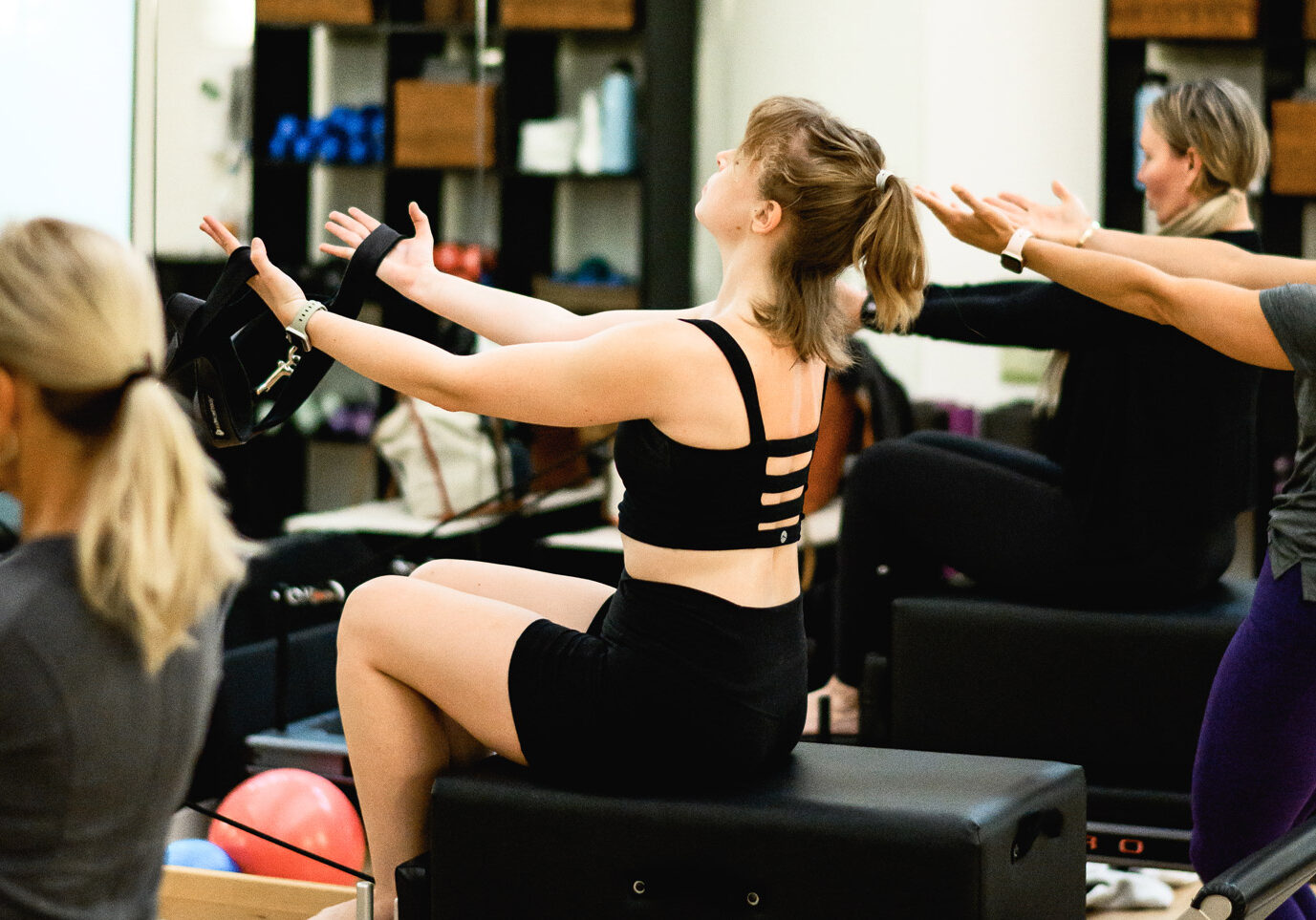
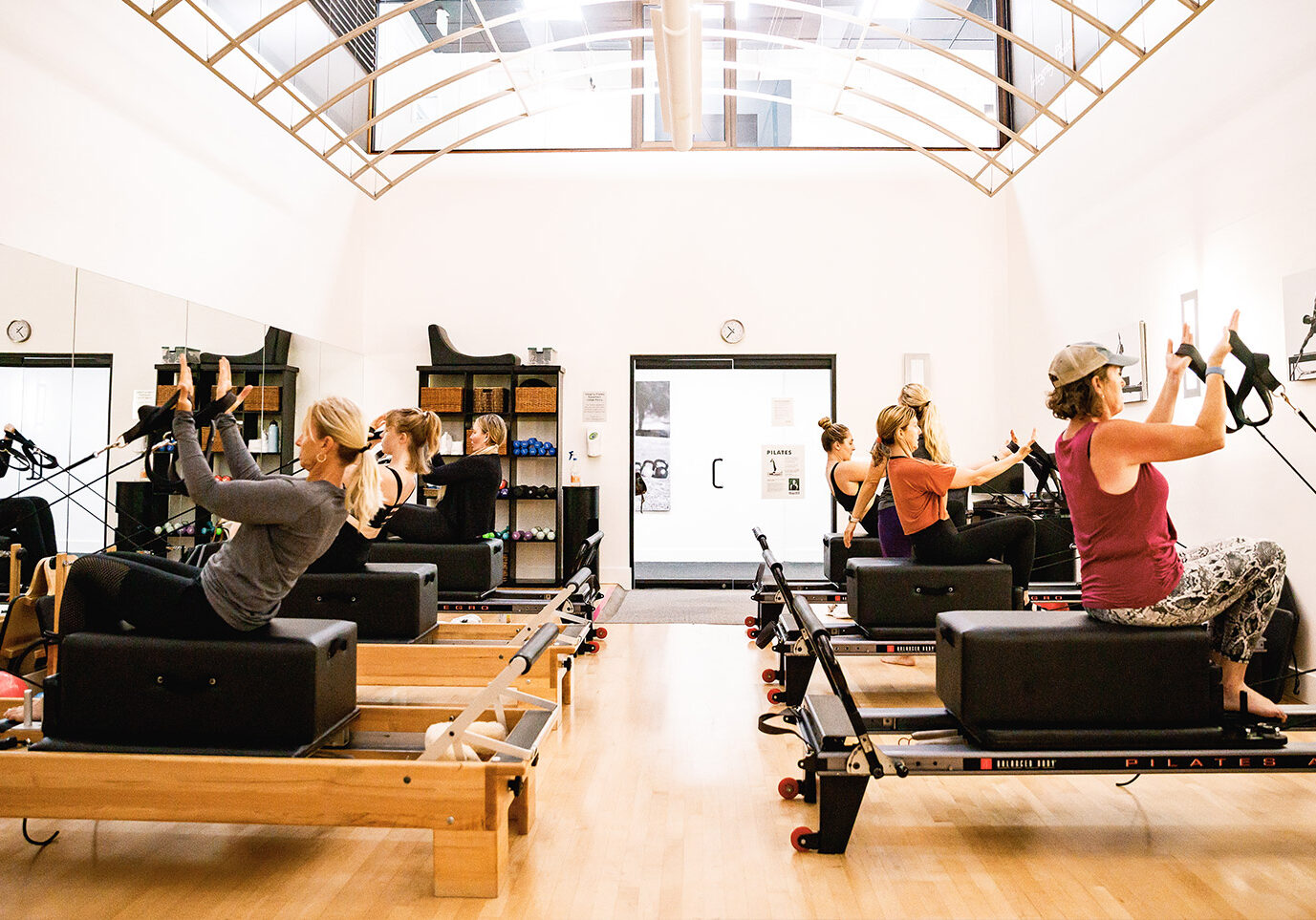
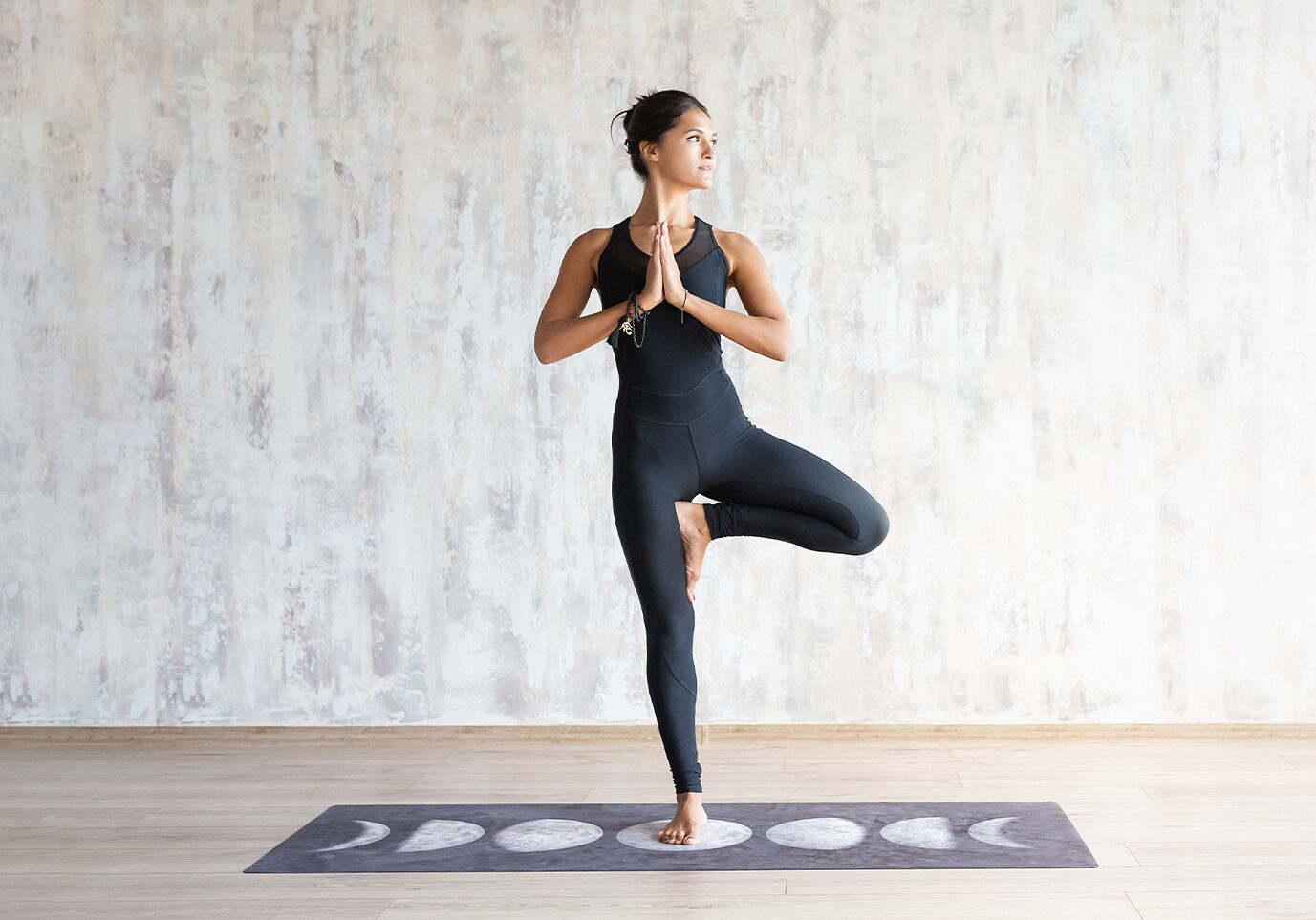
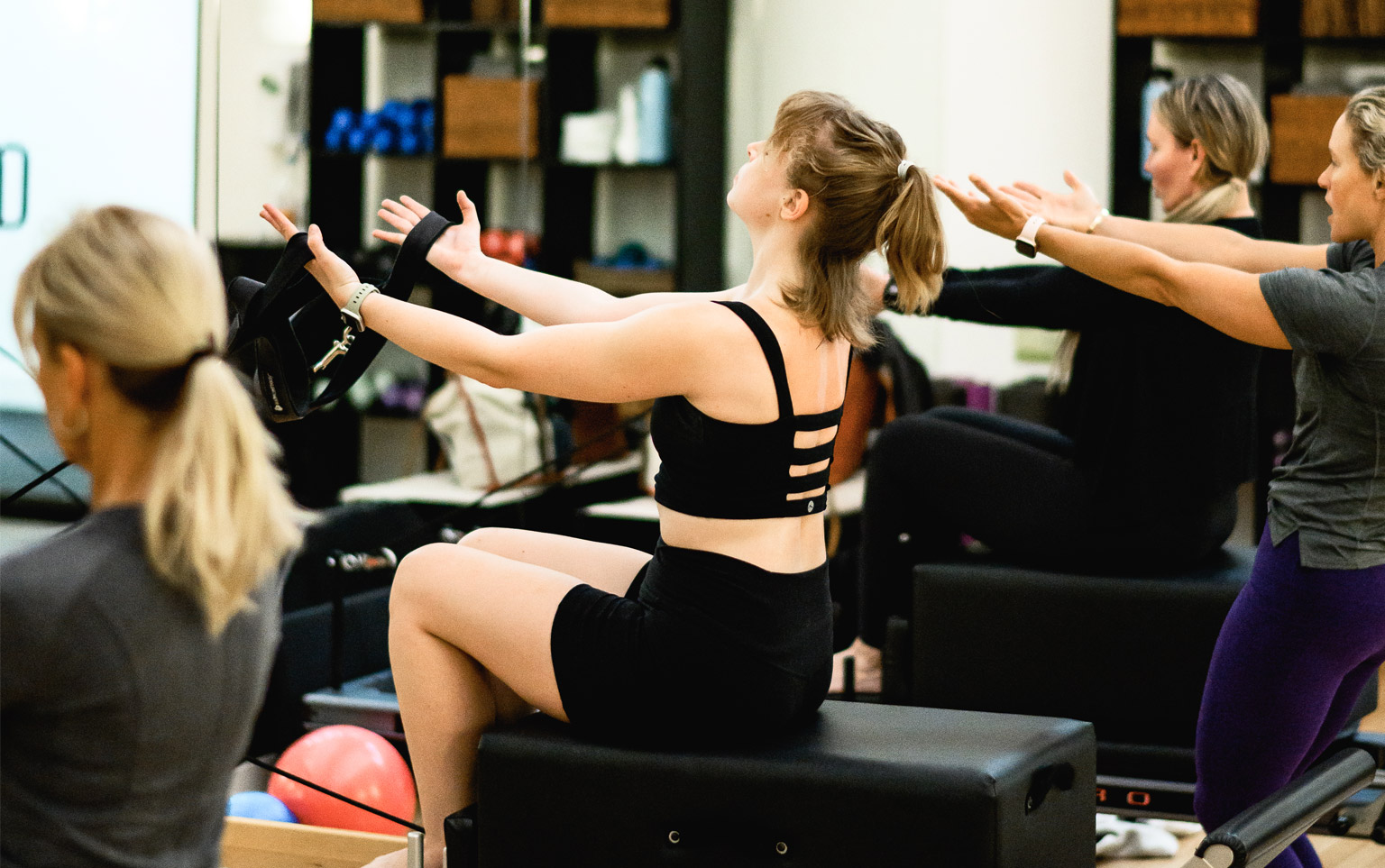
Pilates emphasizes precise, controlled movement and mindful engagement of muscles. Sessions focus on core activation, spinal alignment, and flexibility, cultivating a body that moves with efficiency and ease. By strengthening stabilizing muscles, Pilates improves posture, joint support, and balance, helping you navigate daily activities with greater fluidity.
Flexibility and controlled motion are central to Pilates practice. Gentle stretches paired with concentrated movement patterns enhance joint range of motion while keeping muscles strong and resilient. This approach fosters awareness of how your body moves, promoting coordination and minimizing the risk of injury. For many, Pilates becomes a grounding practice that balances intensity with mindfulness, supporting both physical and mental well-being.
Strength Training: Power, Endurance, and Functional Fitness
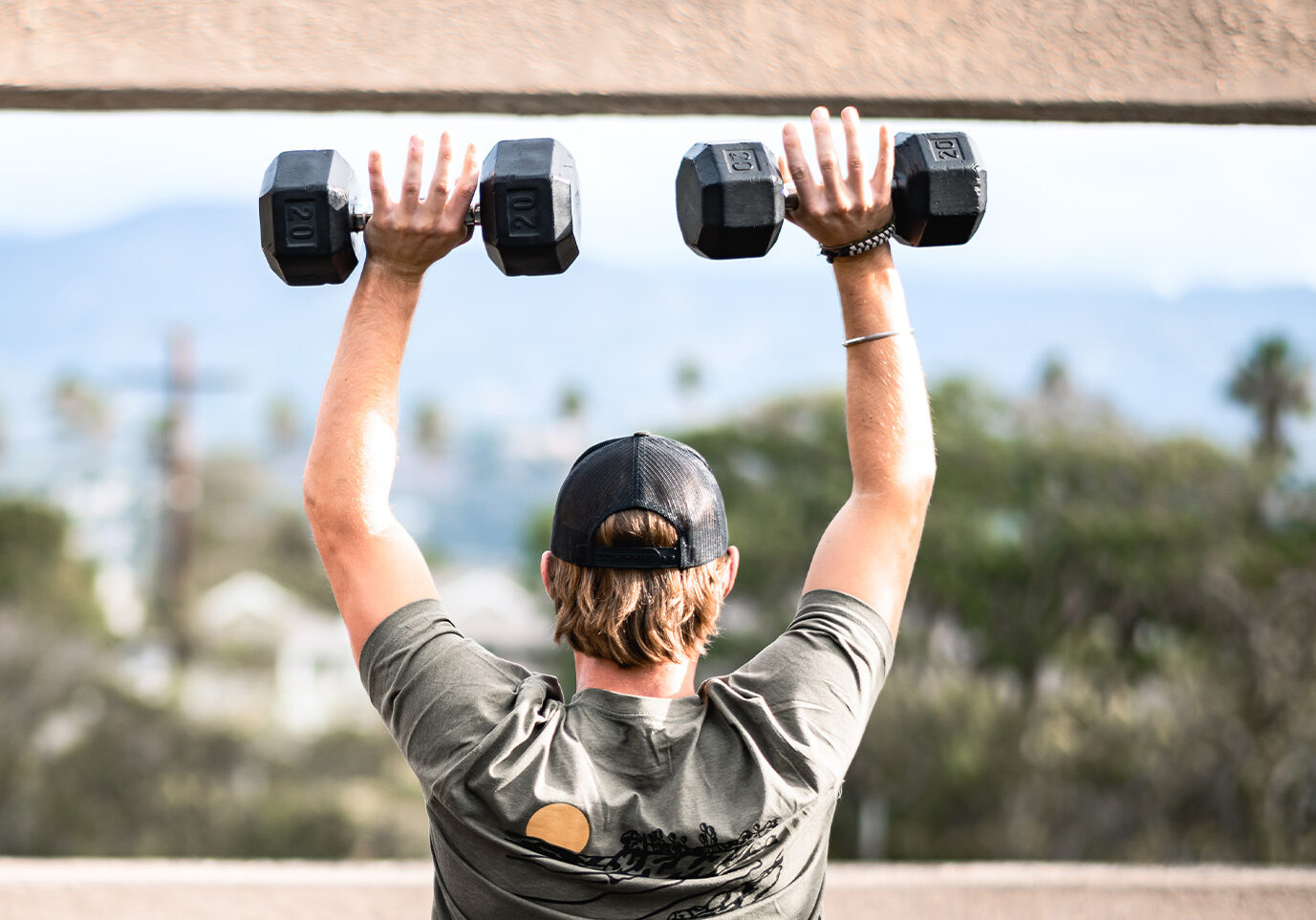
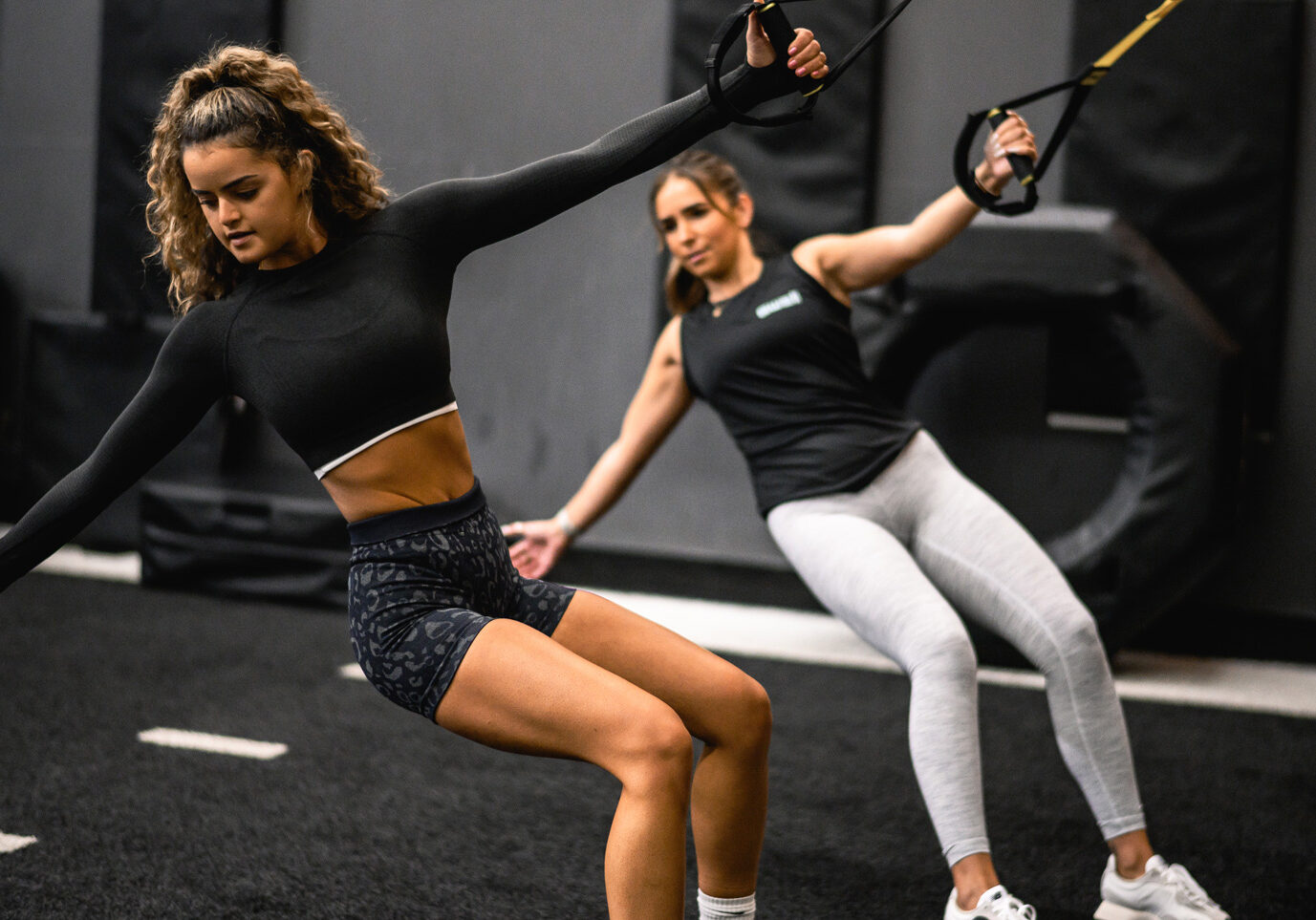
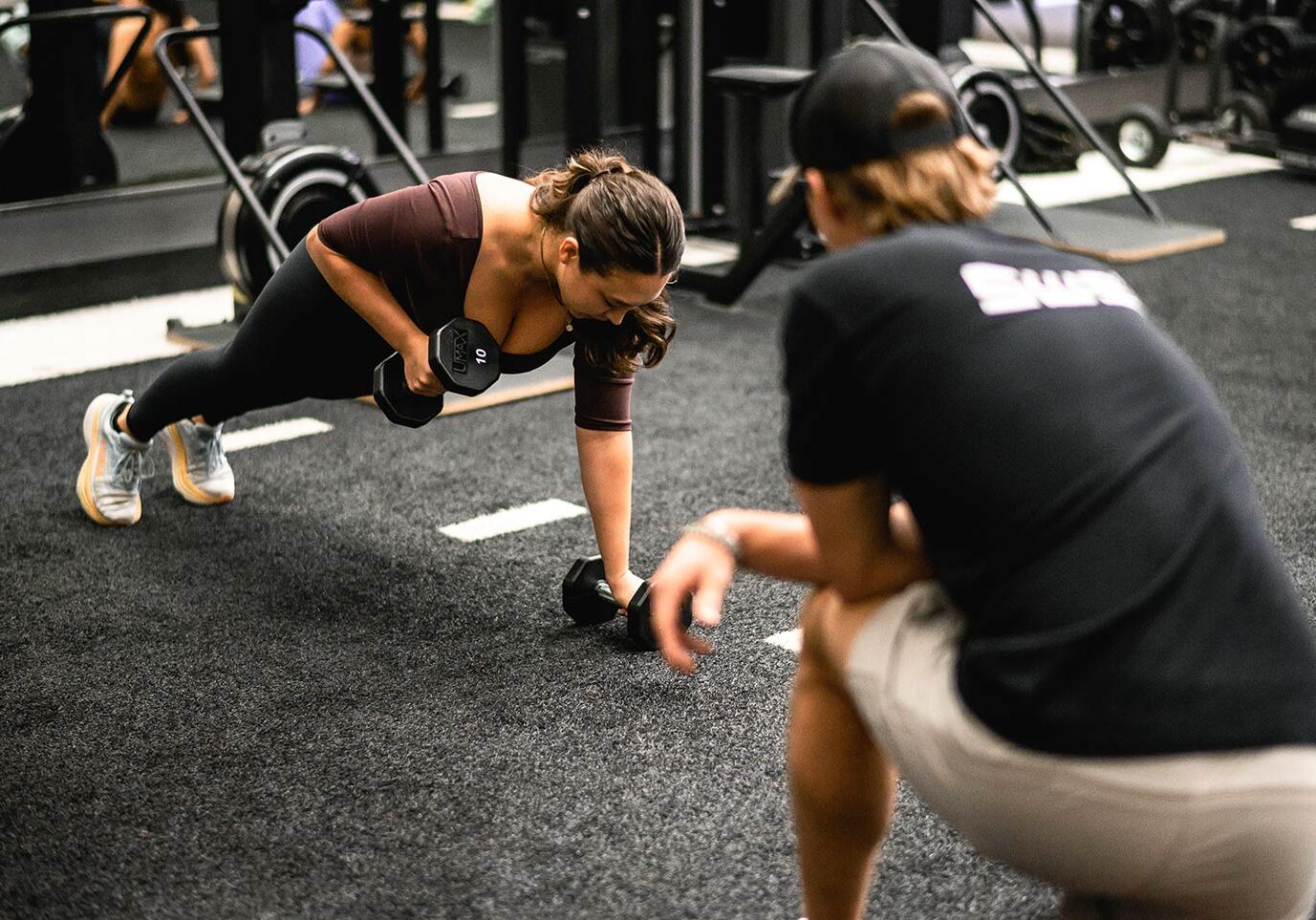
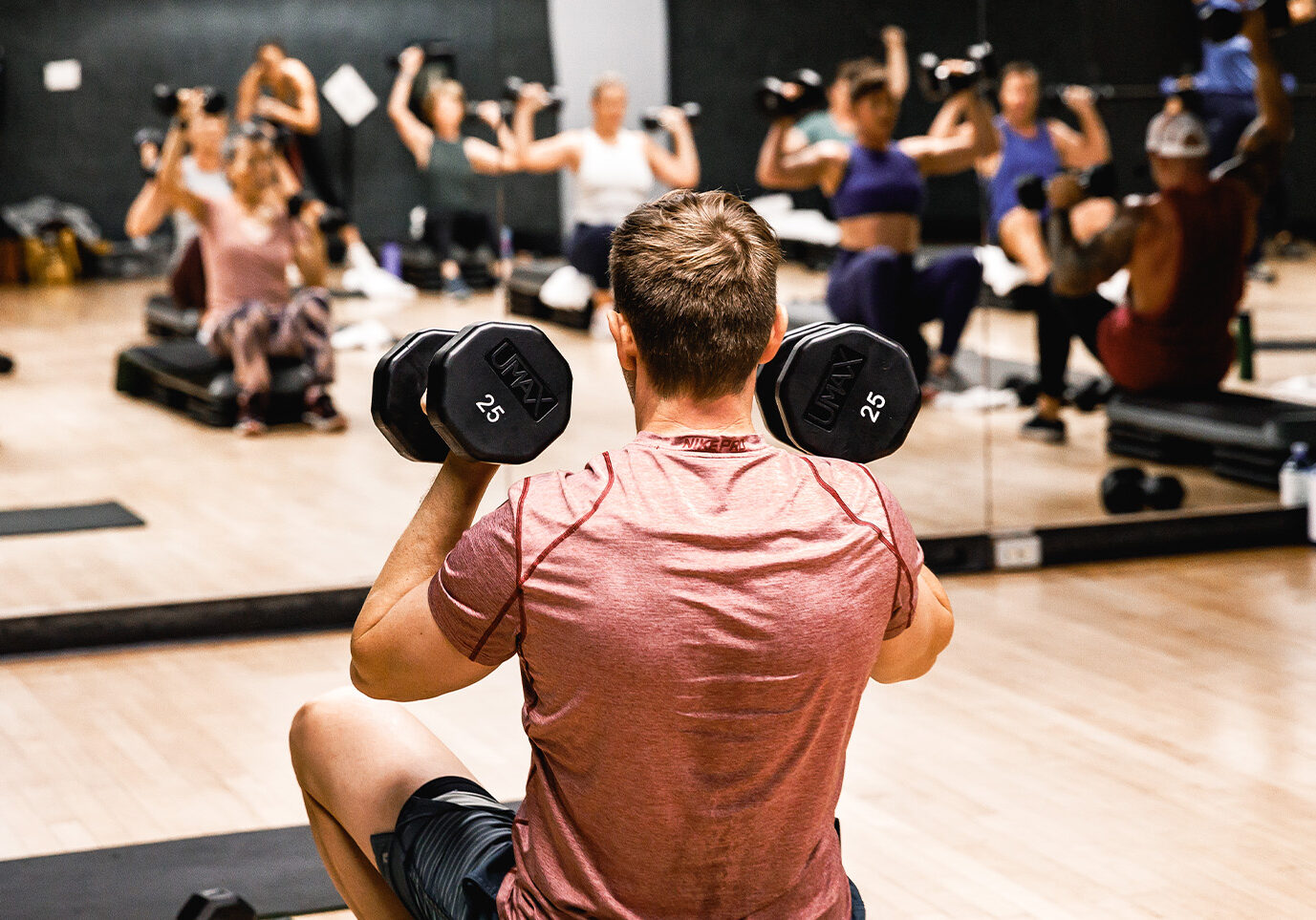
Strength training builds force production and functional strength through dynamic resistance exercises. This form of training targets major muscle groups, improving endurance, bone density, and overall power. Unlike Pilates, strength training often incorporates heavier loads and compound movements that replicate real-life activities, such as lifting, pushing, and pulling.
Functional strength gained through weight-based workouts translates into everyday capabilities; carrying groceries, lifting a child, or managing physically demanding tasks becomes easier and more efficient. Strength training also complements cardiovascular health, metabolic function, and muscular tone, creating a solid foundation for long-term fitness.
Comparing Pilates vs. Strength Training for Whole Body Wellness
The most effective approach may lie in combining the two. Pilates and strength training address different yet complementary aspects of physical fitness. Pilates enhances mobility, core stability, and mind-body connection, while strength training builds power, endurance, and functional capability. Integrating both methods creates a comprehensive routine that fosters balanced development, injury prevention, and sustainable progress.
Scheduling sessions that alternate between Pilates and strength training allows the body to experience variety while maintaining consistency. The mindful engagement from Pilates can improve technique during strength workouts, while the raw power built through resistance training supports more dynamic movement in Pilates sessions. Together, these practices reinforce one another, creating a cycle of strength, flexibility, and intentional movement that supports whole body wellness.
Mindful Movement and Recovery
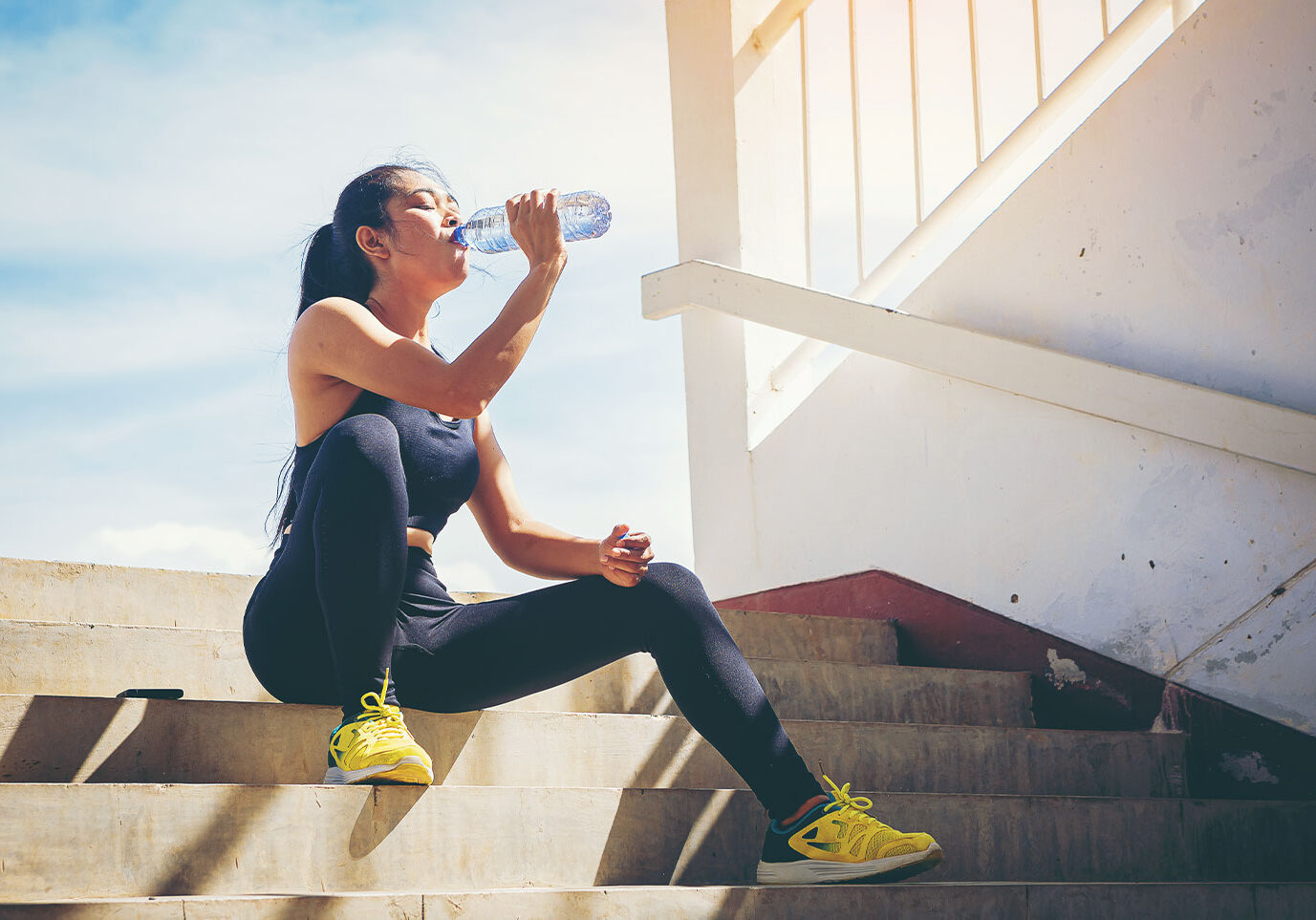
Intentional recovery amplifies the benefits of any fitness practice. Stretching, gentle mobility work, and time for rest allow muscles to repair, joints to reset, and energy to replenish. Recovery also encourages reflection and body awareness, helping you recognize areas of tension, fatigue, or imbalance.
By approaching exercise as part of a larger wellness cycle, you cultivate a routine that aligns with your lifestyle and supports long-term vitality. Combining Pilates and strength training, paired with mindful recovery, fosters a sustainable approach to movement that strengthens the body while promoting balance, awareness, and overall well-being.
Building a Balanced Routine
Exploring pilates vs. strength training is less about choosing one and more about understanding how each contributes to your goals. Incorporating both into a weekly plan encourages full-body strength, improved mobility, and mindful engagement. This combination creates a fitness foundation that is versatile, adaptive, and supportive of whole body wellness.